
I’ve got the number three on my mind. Partly, I think, because I just got invited to interview number three for a new job (same organization). I’ve had two interviews for a job before, but three is pretty rare. Usually I’m able to wow ’em with interview number one.
Anyhoo.
In honor of interview number three, and because I’ve just started reading a book called Good to Great and have been thinking a lot about this stuff lately, here are my three simple rules for creating a good work environment:
- Hire the right people. And if you’ve got bad people working for you, get rid of them. Don’t look to create policies to manage bad behavior away. Policies created around the lowest common denominator won’t ever address the root problem, and will only negatively affect those whose behavior didn’t need to be managed in the first place.
- Inspire. Managers can spend a lot of time, if they’re not careful, focusing on the wrong things. Providing true leadership really depends on demonstrating, on a daily basis, the true purpose behind the work that needs to be done. If employees understand that value, if they understand their role in meeting some greater purpose, the rest will come naturally.
- Clear the way. If there are obstacles that interfere with getting the work done, remove them. If there are tools that need to be provided to get the work done, provide them.
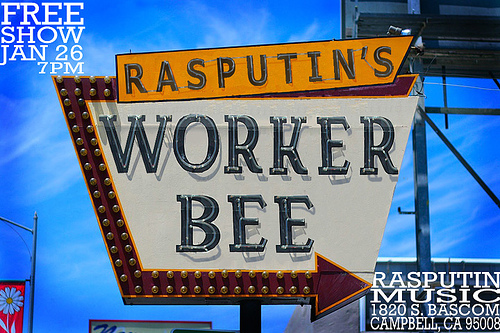
I know nothing in life can ever really be broken down into three easy steps for success, but I honestly do believe that these three things are essential, on a macro level, to creating a functional, sustainable workplace.
If I had to add one more to the list, it would be this: don’t be afraid to fail. Fear of failure, in my experience, can often lead to a sort of paralysis on an organizational level. There are very few things in life, in work, that can’t be undone if needed, or where important lessons can’t be learned to help guide decisions that are made in the future.
I’m always reflecting back on my experience in the public sector over the last fourteen years or so, and comparing that against what I’ve observed in just the last seven months or so in the private sector. Interestingly, my past professional experience really goes a long way to informing my thoughts about creating successful businesses. If my last job had employeed any of these three points (and perhaps the fourth “don’t be afraid to fail” idea), I’d probably still be a city planner today. For better or worse, though, it didn’t, and so I find myself where I am today, more intrigued than I ever imagined I would be by the inner workings of the business world.
image from: http://www.flickr.com/photos/gordonflickr/
 eleven bee